How do you communicate the hard edges of discipleship in a digital culture trained to swipe past discomfort? Churches often post encouragement, inspiration, and event promotion well, but many hesitate when the text demands surrender, sacrifice, or endurance. That gap matters because the gospel is free, yet following Jesus costs something real in everyday life.
That tension sits at the heart of the cost of discipleship verses. Dietrich Bonhoeffer's The Cost of Discipleship first appeared in German in 1937, and the English edition did not arrive until 1959, a 22-year gap that shaped its later influence in Protestant thought rather than making it an immediate English-language bestseller, as noted in this Bonhoeffer overview from Eternal Perspective Ministries. His distinction between cheap grace and costly grace still helps churches explain why Christian commitment is more than agreement. It's obedience, sacrifice, and concrete action.
Social media can flatten that message if you let it. A verse graphic without context can become decorative instead of discipleship-forming. A reel can stir emotion without calling anyone to repentance, endurance, or service.
Churches need a better approach. The eight passages below don't just explain the cost of following Jesus. They also lend themselves to a practical, year-long content strategy using ChurchSocial.ai. You can turn sermon transcripts into posts, clips, blogs, and discussion prompts, then organize the whole series in one drag-and-drop calendar. That's how a church moves beyond surface-level engagement and starts building a culture where costly grace is named clearly, applied wisely, and lived visibly.
1. Matthew 16:24-26 - "Take Up Your Cross and Follow Me"
This is one of the clearest starting points for the cost of discipleship verses because Jesus ties following him to self-denial, cross-bearing, and losing one's life for his sake. Churches often quote this passage, but many stop short of showing what it looks like in ordinary discipleship. That's where your content strategy either gets serious or stays sentimental.
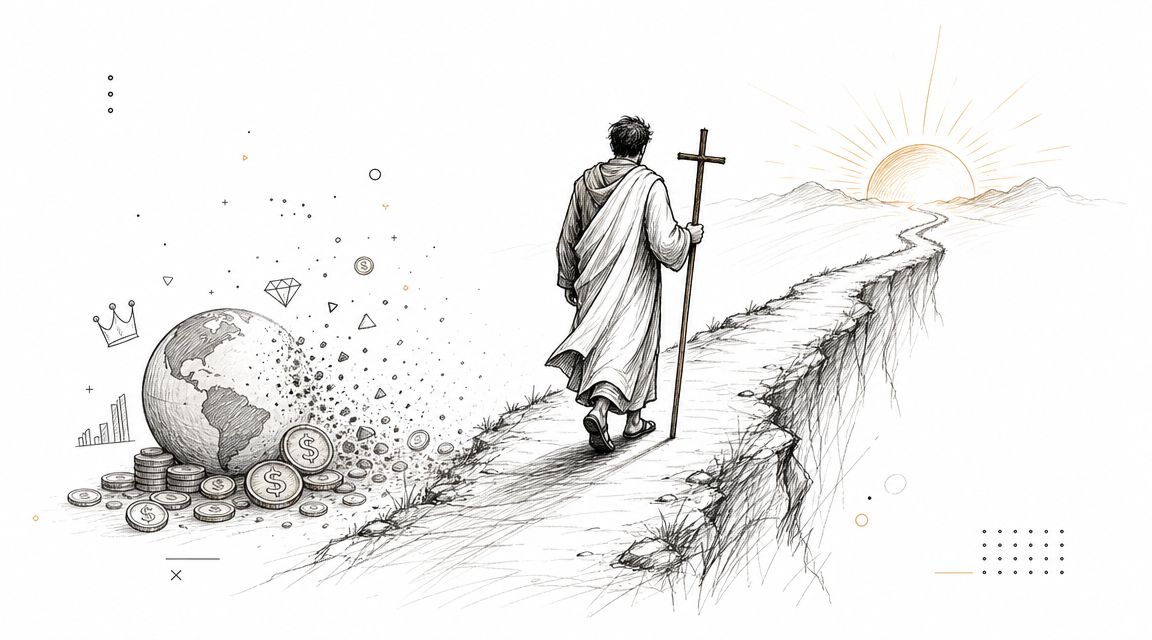
A practical church approach is to treat this text as a recurring theme, not a one-off post. Pull a strong sermon segment into the Sermon Clip Creator and build a short reel around Jesus' call to deny self. Then use the AI Caption Writer to frame the clip with one grounded question: Where is Jesus asking you to surrender your agenda?
What works on social
Abstract sacrifice rarely lands. Concrete obedience does.
- Show modern cross-bearing: Feature stories about serving when it's inconvenient, forgiving when it's costly, or choosing integrity over image.
- Turn testimony into teaching: Pair Matthew 16:24 with a member story in a carousel using ChurchSocial.ai templates.
- Repeat the theme seasonally: Schedule this verse around baptism Sundays, mission emphasis, Lent, or leadership invitations in the visual calendar.
What doesn't work is posting this text as if “take up your cross” means generic stress. Churches serve people better when they define the difference between normal difficulty and gospel-shaped surrender.
Practical rule: If the post never names a real trade-off, it probably isn't communicating discipleship. It's communicating inspiration.
For small groups, generate discussion prompts directly inside ChurchSocial.ai. Ask members what they're tempted to protect most: comfort, reputation, time, control, or plans. That kind of follow-up keeps the verse from living only on Instagram and pushes it into conversation, prayer, and accountability.
2. Luke 14:25-33 - "Counting the Cost"
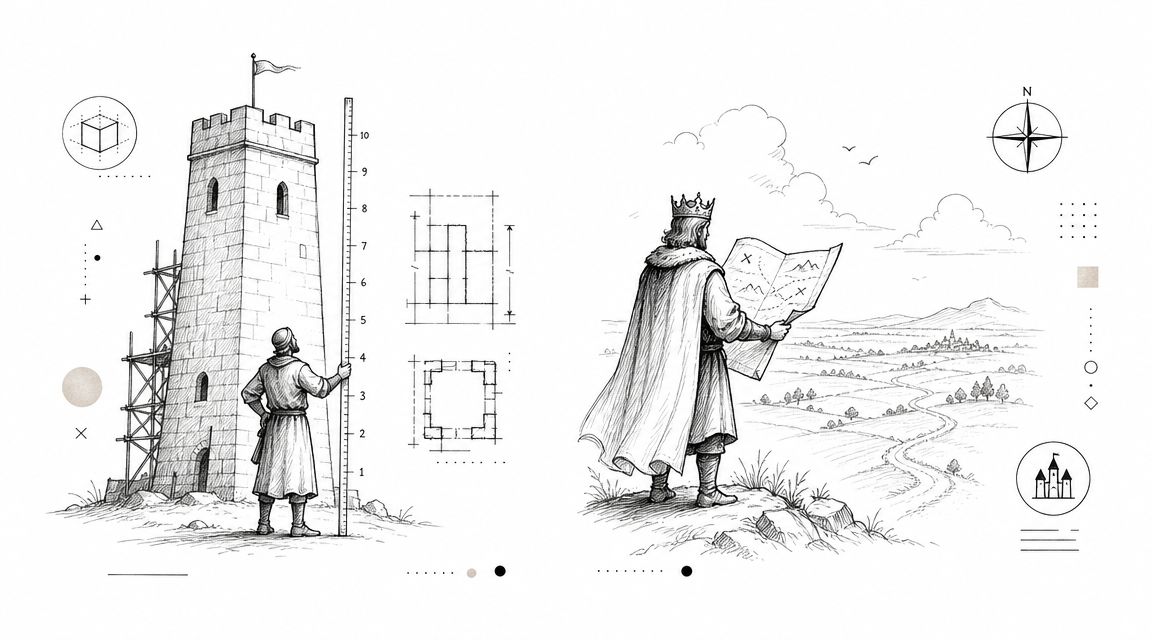
Luke 14 is where many churches go when they want to preach commitment, and for good reason. Jesus uses the builder and the king to force a hard question. Are you prepared for the full implications of following him?
This passage also deserves more nuance than many church posts give it. Reid L. Neilson argues that disciples should count both “the known and unknown costs,” which helps churches speak candidly to people trying to reconcile discipleship with work, parenting, possessions, and ordinary responsibilities in modern life, as explored in Neilson's address on counting the known and unknown costs of discipleship. That framework is useful on social because it lets you avoid shallow slogans.
A strong content angle for churches
Build this into a short campaign instead of one graphic. Use your sermon transcript to create:
- A reel: Focus on the repeated seriousness of “cannot be my disciple.”
- A carousel: Compare the tower builder and the king in two clean slides.
- A blog post: Expand the sermon into present-day examples like career choices, budgeting, relocation, caregiving, or ministry service.
- A custom verse graphic: Use ChurchSocial.ai's process for creating a custom Bible verse design so the visual treatment matches your church's style.
A solo volunteer can run this campaign without starting from scratch each week. A communications team can connect it to real moments in church life by syncing the content calendar with Planning Center events such as mission launches, volunteer recruitment, or generosity initiatives.
Counting the cost isn't fear-based messaging. It's honest discipleship messaging.
What usually fails is posting Luke 14 as a blunt command with no pastoral help. Churches should name the cost clearly, then show people where faithful support exists. Offer a next step in every post: join a group, talk with a pastor, serve, or pray through one area of surrender this week.
3. Mark 10:17-22 - "The Rich Young Ruler"
Some texts confront the whole church. This one often confronts one idol at a time.
The rich young ruler is compelling on social media because the conflict is visible. A sincere man approaches Jesus. He appears morally serious. Yet when Jesus exposes the thing he won't surrender, the conversation turns. That makes this passage especially useful for content about attachment, stewardship, and personal barriers to obedience.
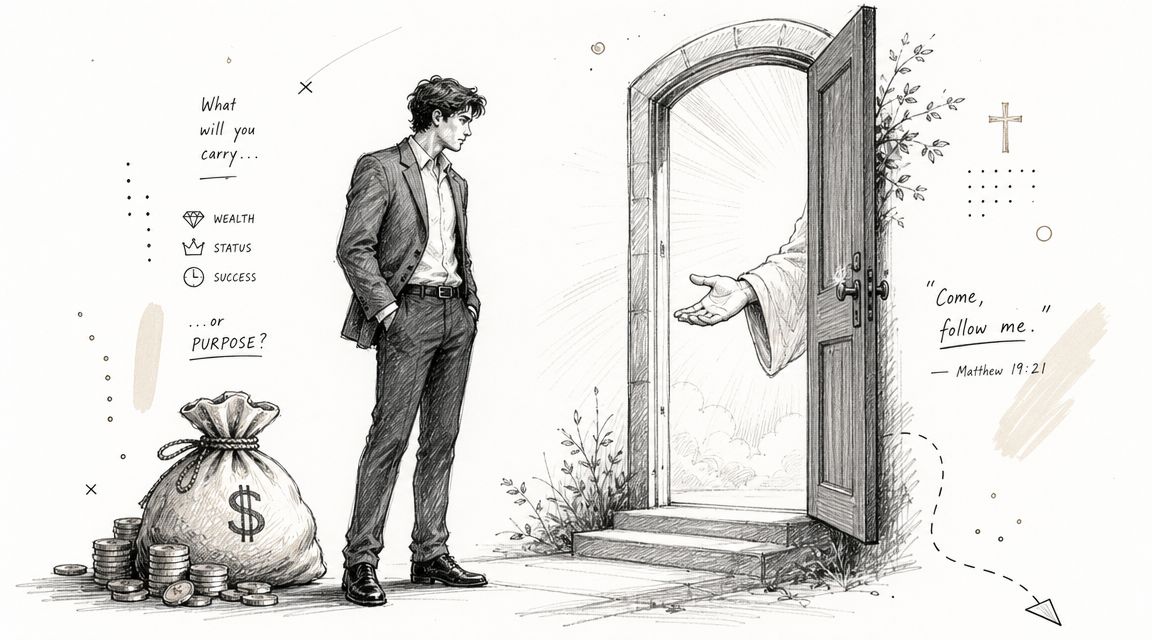
A good ministry instinct here is specificity without shaming. Don't reduce the story to “money is bad.” Instead, ask what a person is using to avoid full trust in Christ. For one member it might be wealth. For another it might be status, romantic control, career trajectory, or a curated online image.
How to turn it into content people will actually engage
Start with a reel built from the sermon moment where Jesus names the ruler's obstacle. Follow it with a text post that asks, “What would Jesus put his finger on in your life?” That question tends to create reflection if your tone is pastoral rather than accusatory.
Then spread the theme across channels:
- Instagram and TikTok: Use short clips with one strong takeaway.
- Facebook: Publish a longer caption that invites testimony and prayer requests.
- Stories: Run a simple poll about common obstacles to surrender.
- Carousels: Compare outward obedience with inward attachment.
One pattern works well in local church ministry. Ask a few trusted members to share short testimonies about a surrender point in their life. Keep the focus on Christ's mercy and leadership, not on dramatic storytelling for attention. ChurchSocial.ai's templates help keep the visuals consistent, and the visual calendar helps you coordinate deeper teaching on one platform with shorter prompts on another.
What doesn't work is making this passage sound like a finance campaign disguised as Bible teaching. If your church uses it during stewardship season, keep the call broader and more honest. Jesus addresses possessions here, but the underlying issue is whatever keeps a person from immediate obedience.
4. 1 Peter 4:12-13 - "Rejoice in Suffering for Christ"
Most church social feeds don't know what to do with suffering unless the suffering is already over. They're comfortable with testimony after the breakthrough. They're less comfortable naming hardship while people are still inside it.
That's why 1 Peter 4 matters. It teaches believers not to be surprised by fiery trials and frames suffering for Christ as participation in Christ's sufferings. This directly pushes back against consumer Christianity, where faith is often presented as a path to ease rather than endurance.
A wiser way to post about hardship
Bonhoeffer's cheap-grace versus costly-grace contrast remains central in later summaries and teaching materials, and those summaries connect discipleship with obedience under pressure, resistance, suffering, and even death for the sake of faith, as described in this overview of The Cost of Discipleship and its enduring themes. If you're posting on 1 Peter 4, that theological background can shape your tone. Don't present suffering as strange. Present it as part of faithful witness.
You can support that with content that feels steady rather than dramatic:
- Member testimony clips: Brief reflections from believers who stayed faithful through illness, rejection, grief, or workplace pressure.
- Teaching carousels: Clarify the difference between suffering for wisdom failures and suffering for fidelity to Christ.
- Prayer posts: Invite the church to pray for believers under pressure locally and globally.
- Sermon follow-up blogs: If your pastor needs fresh angles, ChurchSocial.ai can help generate ideas from encouraging sermon topics for difficult seasons.
Churches should avoid posting about suffering in a way that feels polished but unpastored. People can tell the difference.
For visuals, keep them restrained. Use symbolic imagery rather than faces when possible, such as a candle, open Bible, worn chair, or light through a window. That fits the brief and keeps the focus on the message. In the caption, include one specific next step: pray for endurance, reach out for care, or share a verse that sustained you.
5. Philippians 3:7-11 - "Gaining Christ by Losing Everything"
Paul doesn't speak here like someone trimming the edges of his old life. He speaks like someone who has reevaluated everything.
That's why Philippians 3 works especially well for churches ministering to professionals, students, leaders, and high-capacity volunteers. Many people in your church won't wrestle first with persecution. They'll wrestle with achievement, recognition, and the quiet belief that Christ can be added without reshaping their ambition.
Content that speaks to ambition without sounding anti-work
The key is not to attack vocation. The key is to redefine worth. Paul counts former gains as loss compared to knowing Christ, and that gives churches a strong framework for posts about identity, calling, and reordered priorities.
Use ChurchSocial.ai's AI Caption Writer to generate several versions of one message for different audiences. A young adults post might ask what success means if Christ is supreme. A leadership post might address titles, influence, and platform. A discipleship post might focus on knowing Christ, not just accomplishing ministry tasks.
A useful sequence looks like this:
- Post one: A quote card or scripture graphic centered on “gain Christ.”
- Post two: A reel from the sermon transcript on misplaced confidence.
- Post three: A member testimony from someone who re-ordered work, schedule, or status around obedience.
- Post four: A discussion prompt for groups and online comments.
For churches building digital discipleship pathways, this passage also fits naturally with conversations about community and identity. If your team is trying to nurture belonging online, the ideas in this guide to online Christian communities can help you turn the conversation from passive content consumption into actual connection.
What usually misses is treating Paul's language as if every Christian must walk away from the same external things in the same form. Better teaching asks: What gains are you tempted to trust? What credentials are you tempted to protect? How might Christ call you to hold them differently?
6. Matthew 19:27-29 - "One Hundredfold Return"
After hard texts about renouncing, leaving, and losing, churches need this passage. Peter asks what the disciples will receive, and Jesus answers with promise. Not a shallow transaction, but real reward.
That makes Matthew 19 especially useful if your church has spent weeks emphasizing sacrifice. People need to hear that following Christ is costly and good. They need language for what they receive in him and in his people.
Show the promise through community, not hype
This passage works best when you connect it to the lived experience of church life. If someone has lost old patterns, strained relationships, or familiar comforts because of obedience, the local church should help them see the hundredfold shape of God's care through spiritual family, shared meals, practical help, and durable belonging.
Use ChurchSocial.ai to build a testimonial series around that theme. Feature stories from members who found support in crisis, friendship in loneliness, or hospitality in transition. A carousel can contrast “what I left” with “what Christ gave through his people.” A reel can pair a sermon clip with footage of ordinary church life: tables being set, classrooms prepared, doors opened, meals served.
- For new member classes: Turn this text into a simple post about belonging, not just attendance.
- For volunteers: Highlight the joy of shared mission and shared family.
- For multi-site churches: Show how community extends across campuses, not just inside one room.
One caution matters here. Don't oversell this as immediate material replacement. Jesus gives a bigger vision than prosperity messaging. The church should frame the reward as Christ-centered abundance, eternal life, and the surprising provision of God through his people.
A church that preaches costly discipleship should also make the reward visible in embodied community.
That's where scheduling helps. Place Matthew 19 content near member stories, care ministry moments, baptisms, and hospitality events so the promise doesn't feel theoretical.
7. John 12:24-26 - "A Grain of Wheat Must Die"
John 12 gives churches one of the strongest visual metaphors in all the cost of discipleship verses. A seed falls, dies, and bears much fruit. That image is naturally suited to social media because it translates theological depth into something people can picture.

The best content with this passage focuses on process. Too many posts jump from sacrifice to fruit without naming the hidden stage in between. Jesus doesn't. He names death first. Churches should do the same when they talk about fruitfulness, growth, and impact.
Visual strategy for this passage
This is a strong candidate for ChurchSocial.ai's graphics studio. Build a clean sequence using agricultural imagery such as seed, soil, sprout, and harvest. Keep text minimal and placed intentionally, such as an overlay title or a scripture excerpt on a paper texture or simple card.
Then connect the metaphor to ministry life:
- Service: Hidden faithfulness before visible impact.
- Parenting: Daily dying to self that may not show immediate fruit.
- Leadership: Letting go of ego so others can grow.
- Mission: Sacrifice that produces life in others over time.
A good reel for this passage pairs a sermon clip with simple visuals and a reflective caption: “What needs to die in you so fruit can grow through you?” That's stronger than a generic “bear fruit” message because it keeps Jesus' order intact.
Churches can also use this passage in volunteer development and discipleship pathways. The image helps people understand why fruit often follows burial, obscurity, or relinquishment. If you're creating small group content, generate prompts that ask members where they feel buried, what obedience looks like there, and what kind of fruit they're asking God to bring in time.
What doesn't work is making this verse sound like productivity advice. This isn't about optimizing output. It's about death to self, service to Christ, and the Father's honor for those who follow him.
8. 2 Timothy 2:3-4 - "Endure Hardship as a Good Soldier"
This passage is direct, disciplined, and useful for churches that need to train leaders rather than merely inspire attenders. Paul calls Timothy to endure hardship and avoid entanglement. That language confronts distraction, divided loyalty, and fragile commitment.
It also gives churches a needed category. Discipleship is not only relational and nurturing. It also requires stamina, focus, and endurance. Many ministry teams talk about purpose. Fewer talk about hardship as normal equipment for faithful service.
Use it for leadership content and volunteer formation
One expert source describes disciple-making as time-consuming, energy-intensive, and labor-like, requiring repeated investments of time, attention, initiative, sacrifice, and even resistance from others, in John Piper's message on the cost of disciple-making. That makes 2 Timothy 2 especially relevant for pastors, ministry leads, and volunteers who assume discipleship should feel lightweight if the systems are good enough. Systems help, but they don't remove cost.
ChurchSocial.ai offers practical applications. Use the sermon transcript to generate a blog on spiritual disciplines as training. Pull a clip for volunteer onboarding. Schedule short challenge posts that ask leaders to identify current distractions. Build a branded graphic series around images like a compass, map, worn notebook, or boots instead of people-heavy visuals.
- For volunteer onboarding: Frame service as focused obedience, not casual participation.
- For leadership teams: Ask what “civilian entanglements” look like now. Constant busyness, digital distraction, approval-seeking, or overcommitment.
- For men's and women's ministries: Use the passage to discuss resilience and spiritual habits.
A lot of church content fails here by sounding combative or harsh. The better path is clear and steady. Endurance isn't macho branding. It's faithful perseverance under Christ's command.
Cost of Discipleship: 8-Passage Comparison
| Passage | 🔄 Implementation Complexity | ⚡ Resources & Speed | 📊 Expected Outcomes | Ideal Use Cases | ⭐ Key Advantages / 💡 Tip |
|---|---|---|---|---|---|
| Matthew 16:24-26, "Take Up Your Cross and Follow Me" | Moderate, needs pastoral framing to avoid discouragement | Low, simple posts, sermon clips; quick turnarounds | Strong emphasis on self-denial; higher engagement among committed members | Discipleship programs, mission announcements, sermon series | ⭐ Clear, memorable imagery; 💡 Pair with modern sacrifice stories |
| Luke 14:25-33, "Counting the Cost" | High, requires careful exegesis (strong language) | Moderate, best as multi-post or infographic series | Prompts serious commitment conversations; can provoke concern if misapplied | Membership classes, stewardship campaigns, teaching series | ⭐ Parables make concepts tangible; 💡 Use side-by-side parable infographics |
| Mark 10:17-22, "The Rich Young Ruler" | Moderate, sensitive, personalized application needed | Moderate, needs testimonies and stewardship tie-ins | Drives reflection on wealth/idolatry; useful for conversion and conviction | Stewardship campaigns, small groups, conversion-focused content | ⭐ Relatable narrative form; 💡 Ask "What would Jesus ask you to give up?" |
| 1 Peter 4:12-13, "Rejoice in Suffering for Christ" | Moderate, pastoral sensitivity required for trauma and misuse | Moderate, campaigns supporting persecuted believers; partner resources | Builds resilience and solidarity; may be heavy emotionally | Persecution awareness, resilience teaching, mission support | ⭐ Encourages faithful perseverance; 💡 Include support resources and context warnings |
| Philippians 3:7-11, "Gaining Christ by Losing Everything" | Low–Moderate, best targeted to professionals/educated audiences | Low, targeted posts, leadership content; straightforward to produce | Reorients achiever priorities; fosters leadership/calling reflection | Career & calling series, leadership development, professional ministries | ⭐ Powerful testimonial authority (Paul); 💡 Use pros/cons "loss vs. gain" graphics |
| Matthew 19:27-29, "One Hundredfold Return" | Low, balances cost with reward but needs nuance vs. prosperity teaching | Low, community/testimonial content; fast to produce | Motivates commitment by promising present and eternal benefits | New member classes, newcomer assimilation, small group launches | ⭐ Balances sacrifice with reward; 💡 Highlight concrete community 'hundredfold' stories |
| John 12:24-26, "A Grain of Wheat Must Die" | Low, metaphorical and widely applicable with clear visuals | Low–Moderate, visual/process assets recommended for impact | Inspires fruitfulness and volunteer engagement; encourages service | Volunteer recruitment, ministry launches, spiritual formation | ⭐ Fruitful, accessible metaphor; 💡 Use process-flow imagery (seed→sprout→fruit) |
| 2 Timothy 2:3-4, "Endure Hardship as a Good Soldier" | Moderate, military metaphor may alienate some; contextualize carefully | Low–Moderate, leadership training materials and challenge content | Fosters discipline and endurance among leaders; risk of perceived harshness | Leadership development, volunteer onboarding, commitment challenges | ⭐ Motivates disciplined commitment; 💡 Frame with pastoral care to avoid militaristic tone |
From Verses to a Vibrant Discipleship Culture
These passages don't belong in a single sermon archive or an occasional quote graphic. They shape the kind of church you become. If your people only hear about comfort, inspiration, and uplift online, they'll struggle when Jesus calls them to surrender, endure, or obey at real cost. But if your church names those realities consistently and pastorally, social media can reinforce discipleship instead of diluting it.
The opportunity is bigger than posting eight isolated Bible verses. You can build a year-round framework. Matthew 16 can anchor a series on surrender. Luke 14 can support membership and commitment conversations. Mark 10 can help your church discuss idols openly. First Peter 4 can prepare people for hardship. Philippians 3 can challenge ambition. Matthew 19 can show the goodness of spiritual family. John 12 can teach fruit through death to self. Second Timothy 2 can train resilient leaders.
That kind of strategy takes planning, especially for churches with limited staff. A solo volunteer can't spend hours every week reinventing content formats. A communications pastor can't manually adapt every sermon into reels, captions, blogs, graphics, and discussion prompts across multiple platforms. A multi-site team needs consistency without making every post feel generic.
ChurchSocial.ai is built for exactly that church reality. You can turn a sermon on Luke 14 into an AI-generated reel, create blog content from the transcript, write platform-specific captions, and build matching graphics inside the same workflow. You can use templates and the graphics editor for quote cards, carousels, and sermon follow-up posts. You can organize everything on the drag-and-drop calendar and connect event rhythms through integrations like Planning Center.
Discipleship content usually breaks down in execution, not conviction. Churches believe these verses. They just struggle to communicate them clearly, repeatedly, and in formats people will see during the week. Good tools don't replace prayer, teaching, or shepherding. They help your team stay faithful and consistent with the message you already carry.
If you want to move beyond surface-level posting, start here. Choose one of these passages. Build a month of content around it. Add one reel, one carousel, one testimony, one blog, and one discussion prompt. Then repeat. Over time, your church's social presence can stop sounding like general encouragement and start sounding like actual discipleship.
ChurchSocial.ai helps churches turn serious biblical teaching into a manageable, consistent social media system. If you want to create sermon clips, generate captions and blogs from transcripts, design polished graphics, and schedule everything in one place, explore ChurchSocial.ai and start building a clearer digital discipleship strategy.